Being An A MAZE. / Berlin Jury Member
For the 15th anniversary of A MAZE Berlin, I was selected as one of the 5 jury members. Our task was to collectively select 5 out of the 25 nominations to win an award. Considering that A MAZE is my favourite games festival, and one of the only large scale celebration of art games, this was a huge deal for me. When I found out I was chosen, I felt both excited and nervous. It seemed like a major responsibility to determine what the future of games and art could look like. A MAZE is niche, but it still has major institutional power to influence many artists. So all of this is to say that I took the role very seriously.
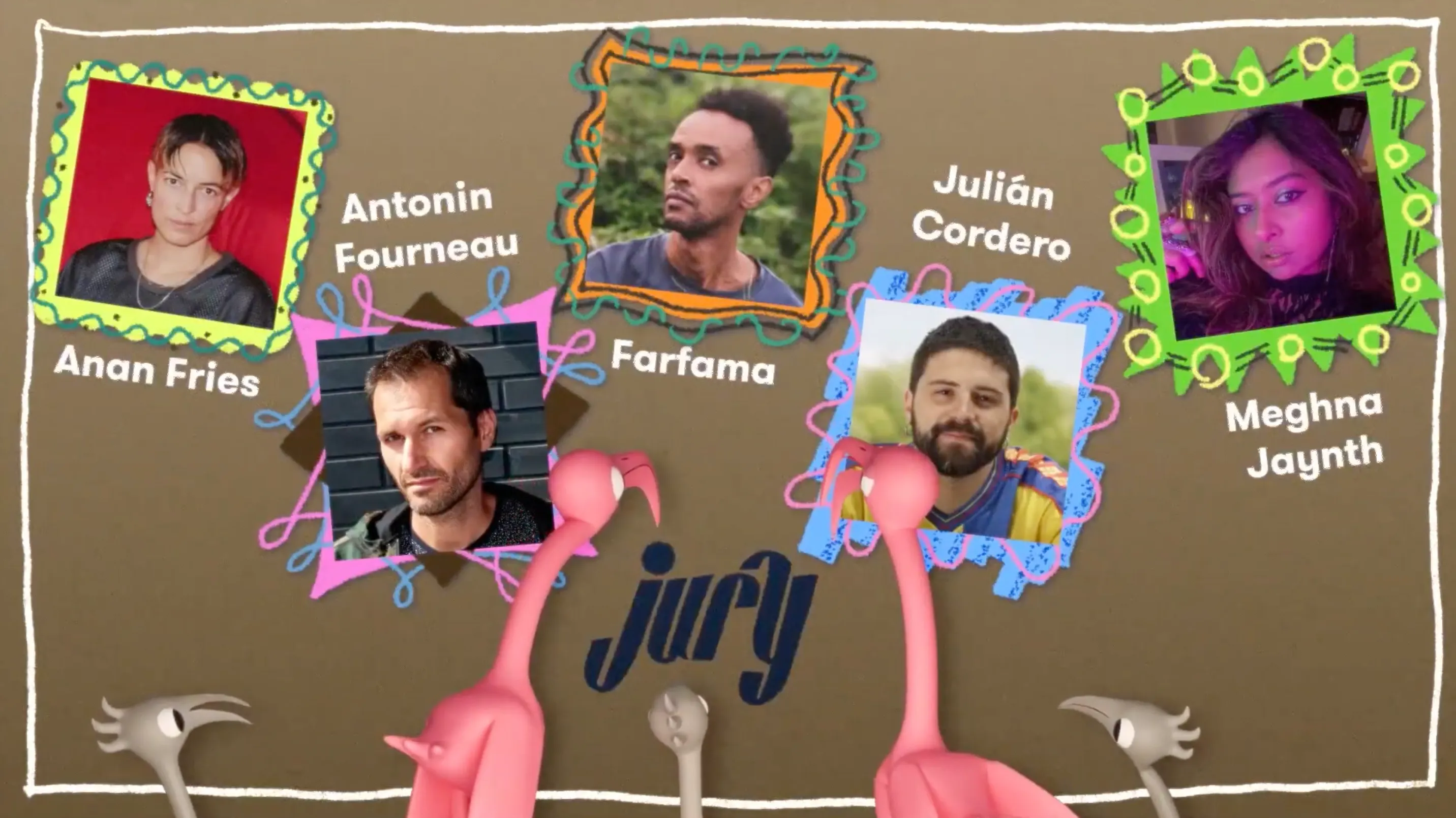
The jury has no part in what 25 games get selected as nominees. This is done by a committee of volunteers that rate all the submissions based on a number of unique factors.
INNOVATION
Is the submission innovative? Does it make you question the things you know? Is there something new, completely unknown? This could include gameplay as well as a twist in narration or the way of controlling it.POTENTIAL
Do you see a great potential in the submission? Maybe it is not ready in it’s current state, but makes you eager to see the final thing? You can nearly taste it and maybe it’s also leading into a new direction for the medium itself?INTERDISCIPLINARY
Is the submission created in a collaboration with science, makers, engineers, researchers, theater and writers or do you need very different people to play it? Is it eventually forming a new artform and new genre of playful media? Does it contain not-game related things, or is it played in a context beyond conventional games? Could the entry be engaging and accessible for people who have very little knowledge about games as a medium and “games culture”?SOCIAL / POLITICAL / CULTURAL IMPACT
Could the submission have a cultural or social impact on you, the players or spectators or the world? Does it change your connection to other living beings (at the time of playing, or even after)? Does it send a message? A reflection of the contemporary, on the daily life?AESTHETICS
Is the submission in general aesthetically pleasing to you and do the art disciplines work together perfectly? Are graphics, sound and the overall feeling compelling and helping to access its sphere? Does the entry offer you an aesthetic experience that you never had before?OVERALL AWESOMENESS
Is the submission an outstanding experience? Do you definitely have to share this work with your friends. E.g. like a cult movie, a wonderful thoughtful book, a life changing piece of art?
The A MAZE award staff (not the jury) that eventually select the 25 games have to go through tons of committee reviews and curate based on another set of factors to ensure that there is a diverse lineup of games and artists being chosen. These 25 games are what the 5 jury members will be playing. We judge the games using the same suggested factors as well as our own personal factors, but we don’t assign a point rating like the committee does. I was chosen as a jury member because of my curation project Exhibit:Play, my experimental game dev practice, community organizing, and for being a volunteer committee member in the past.
The process for judging these games involves the following steps/rules:
- Kickoff call discussing the process, meeting the other jury members
- Play the games, leave a comment on it, and sort it into one of 5 award categories
- Each category can only have 5 games
- The game at the top of the category will be the winner
- Choosing the winner takes place during a 2 hour call after we have sorted the 25 games. This is where most of the discussion, agreements, and disagreements happen
Playing 25 games in the span on 2 months seems like a lot, but considering that most of them were quite short, it wasn’t as daunting as I imagined. The shortest was 10 minutes, and the longest was 5 hours. Most were between 30 minutes - 2 hours. I played every game. Since the jury members come from different backgrounds, we all have our own affinity and expertise that apply to certain games.
For my process of judging, I made sure to dedicate an evening to each game. I put all my personal projects on pause and turned this into my main focus for the next 2 months. It was important for me to give my full attention to each game, so I created a small before and after ritual. I would first clear my desk, dim the lights, and make some tea. I bought a notebook and pen to only be used for writing my thoughts as I played.
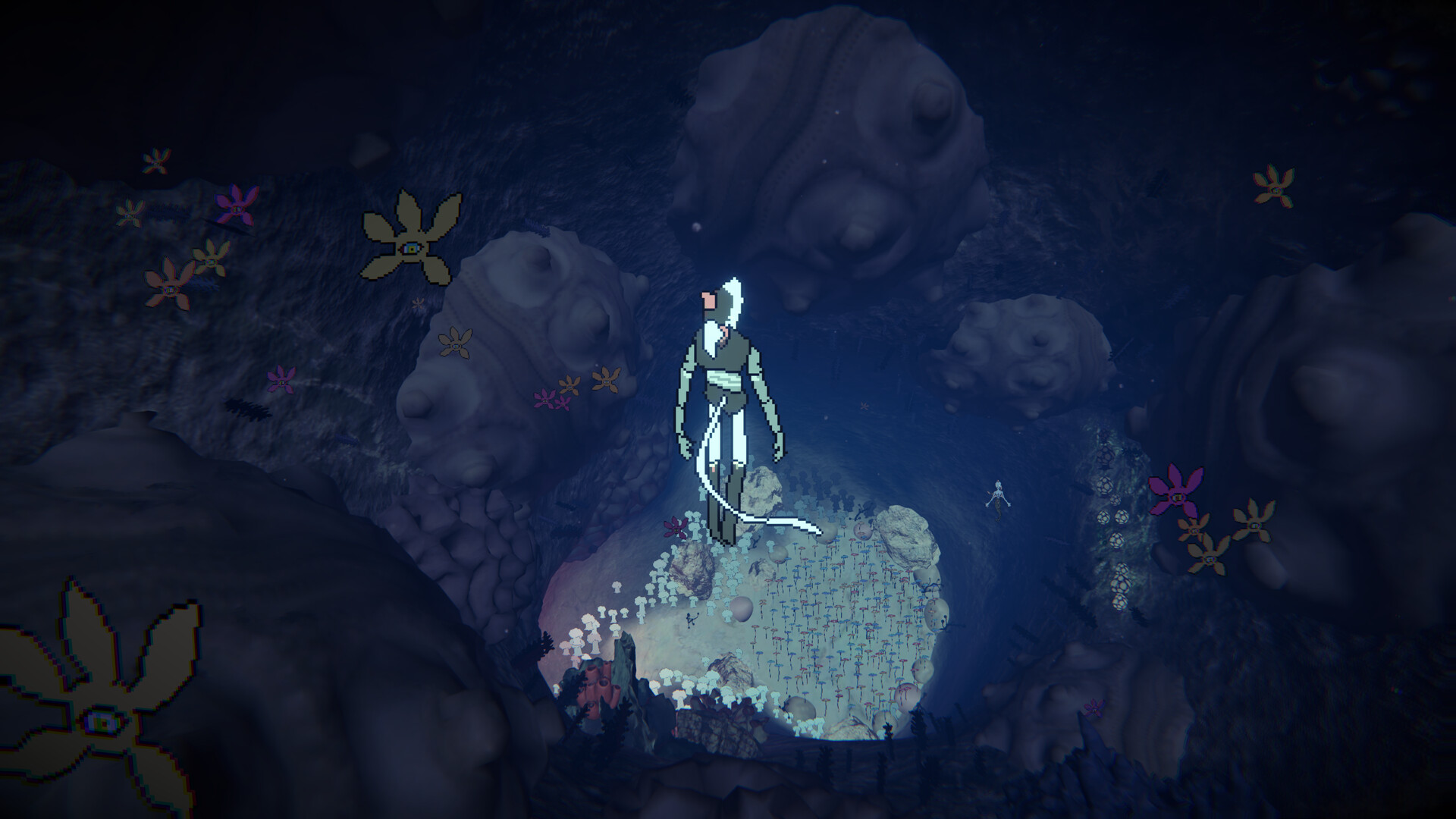
After playing, I would go on a 1 hour walk to think about the game and let the experience sink in more. This led to more thoughts and connections. Walks are quite powerful at synthesizing thoughts. After the walk I would come home and write down my comment stream of consciousness style and then sort it into the award category I felt fit. All these notes then get transcribed to my own digital note document.
If I still had a lot of energy, I would do this process all again with another game. It was important for me to not play a game if I was fatigued as that would muddy my impression. I’d usually play 1 or 2 games on a single day. This whole process was spread across the 2 months. There were a few challenges with some submissions. Mostly the alt-control ones which were hard to judge. Luckily these all had extensive documentation so you could get a strong idea of what the experience would be like.
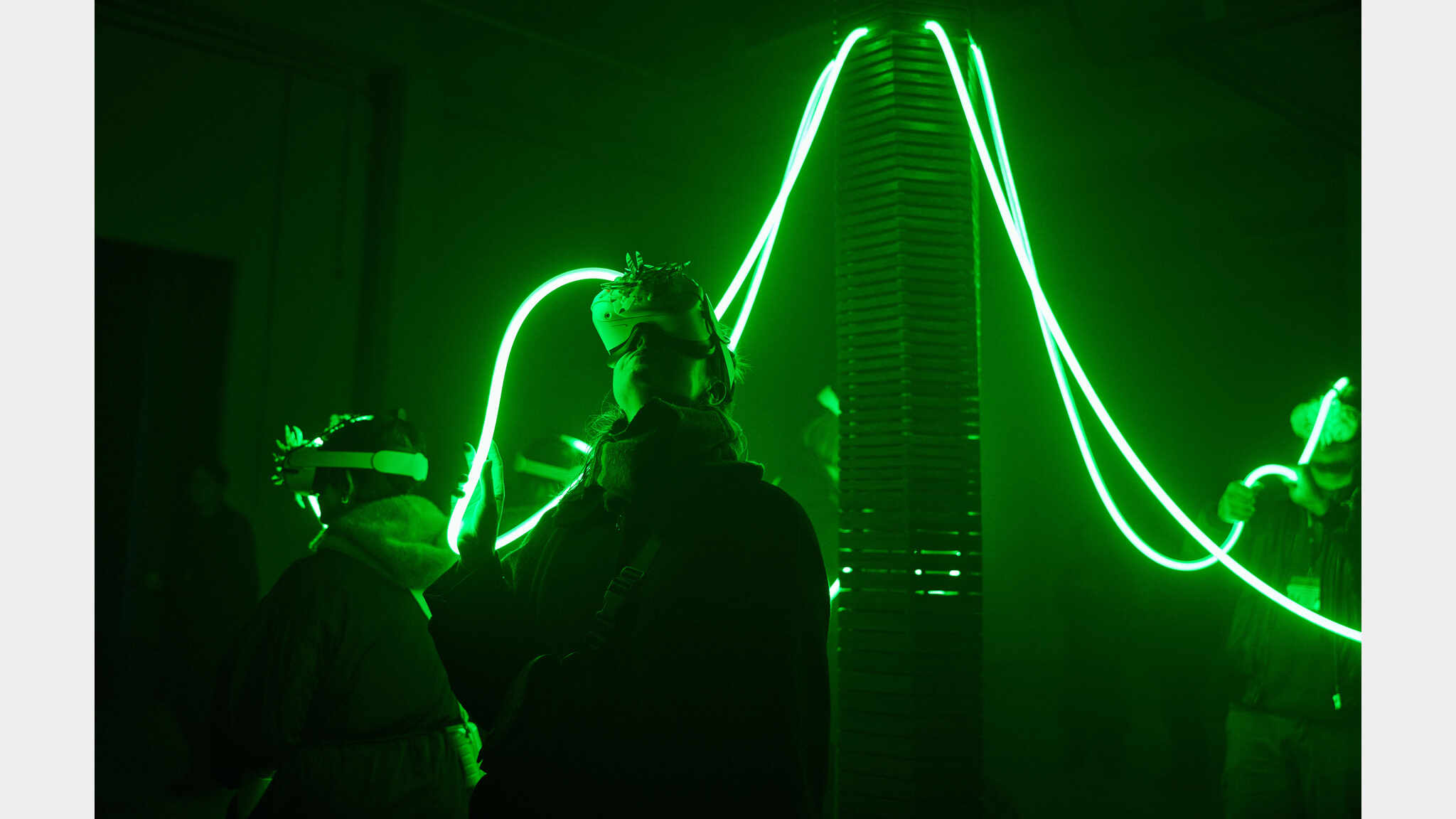
For the final 2 hour discussion where we chose the winners, a lot of games got moved around. There was some interesting reasoning about how we chose what to place where and eventually what we decided to award. There are factors outside of the shared criteria that need to be strongly considered. A MAZE is focused on the arthouse, avant-garde, experimental. All of the games had something I enjoyed, but given the context of the festival, I favored works that strived to be experimental and unconventional, even if they were rough around the edges. It’s not easy to compare all these games to each other. They are all vastly different from one another, which is why the categories have expanded throughout the years and I imagine will expand further as new genres, technology, culture, and ways of playing emerge.
After selecting the 5 winners, we are all required to write a laudation speech for the games. I wrote two of the laudations together with 2 other jury members. This took me an evening to write despite being a short paragraph. I wanted to give these games the appreciation they deserved. The writing leaned a bit more poetic (inspired by previous year laudations), so I had to stretch my out of use creative writing brain a bit.
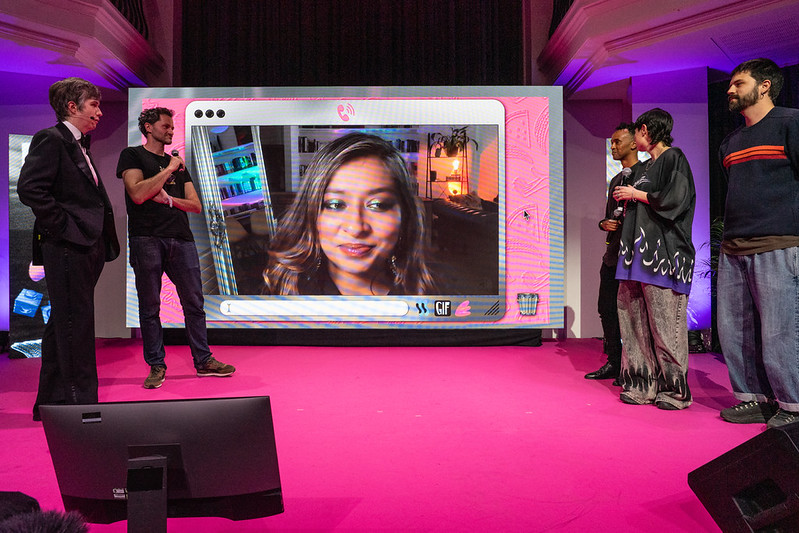
That was basically all of it. We also all went on stage to present the awards and talk a bit with the host. We do a small rehearsal before the award show to get a general idea of where to stand and the order of actions. Some things got mixed up in the live show, but no mistakes…just positive chaos.
Some tips for people submitting games to A MAZE (or any festival):
- A lot of the nominations had great documentation. Technical riders (ie. setup requirements), images, statements, background info, video/illustration explanations, trailers. It was all presented in a visually interesting way too.
- Don’t use generative AI art assets. The thing with AI is that it is a big technological leap in many ways, so some artists may be compelled to explore its use in their work. One of the nominations used AI generated music which goes against my personal ethics of AI usage(they later replaced it with non AI music). Another used AI experimentally to critique the false narratives and memories that are generated by AI, which feels more inline with what I consider artistic exploration of AI. Experiment responsibly.
- You don’t have to submit a fully finished game. You may also want to create a specific demo version for your submission to reduce the amount of friction needed to experience the game, or to highlight key aspects that make it unique. Show the potential of the game.
- In contrast to the last point, don’t make art specifically to win festival awards. Just make art you care about. Have artistic goals beyond getting awards. Success has many dimensions.
- There were over 400 submissions this year. There easily could have been a completely different 25 games chosen of a similar diversity and quality. If you get rejected, don’t take it too personally. Accept that you will get a lot of rejections as an artist. It’s part of the process.
A MAZE this year was a lot. On top of being a jury member I gave two talks, showed one game, and was part of a panel discussion. All of it was extremely fulfilling though. For the jury, A MAZE subsidizes travel costs (which scales up depending on how far you are), covers hotels (and breakfast) during the festival, and provides an honorarium. This helped so much and reduced the stress of planning the trip.
After everything, I came out of this with a new sense of confidence that transfers to all aspects of my life. Trying to keep my ego in check here, but it does feel nice to be recognized as having some type of influence on the culture of art games. I was so happy to talk with students, developers, researchers, and artists that found inspiration in my work. Mutual admiration everywhere.
See you at the next A MAZE on May 5 - 8, 2027.
—
My A MAZE./ 2026 Talk & Panel
- Experiential Game Design
- Abject Permanence: On Art Games Spaces, Festivals and Community
- My A MAZE./ 2026 archive
